Loadout
The Complete Travel Continuity Guide for Digital Nomads
February 3, 2026
ISOPREP is reader-supported. When you buy through links on this page, we may earn an affiliate commission at no extra cost to you. Full disclosure.
Written by the ISOPREP Team — a group of US military veterans who field-test contingency planning gear in real-world conditions so you don’t have to learn the hard way.
Working from a beachside cafe in Bali sounds idyllic until a volcanic eruption grounds all flights, the power grid fails, and your embassy is a 12-hour drive away. We have been in situations like that — not as digital nomads, but as service members deployed to austere environments around the globe. The difference? We had institutional support, medevac plans, and comms infrastructure backing us up. You, the solo remote worker, likely have none of that.
This guide is the comprehensive, field-tested resource we wish every digital nomad had before boarding that one-way flight. We cover every dimension of contingency planning — from the gear in your bag to the plan in your head — specifically tailored for people who live and work abroad without a fixed address. Bookmark it. Share it. And most importantly, act on it before you need it.
Looking for our full library of digital nomad preparedness resources? Visit our Digital Nomad contingency planning hub page for every guide, gear review, and checklist we publish for the location-independent community.
Key Takeaways
- contingency planning is non-negotiable for digital nomads. You face unique risks that stationary people and conventional tourists do not — foreign healthcare systems, language barriers, unreliable infrastructure, and distance from your support network.
- Build a modular emergency kit. Start with a core set of essentials (first aid, power, water, communication) and add country-specific items based on your destination’s risk profile. Our Digital Nomad Emergency Kit Guide breaks this down item by item.
- Satellite communication is your lifeline. Cell networks fail during disasters. A satellite communicator lets you send SOS signals and text messages from anywhere on earth — no cell tower required.
- Travel insurance with evacuation coverage is the single most important purchase you can make. A medical evacuation can cost $50,000 to $250,000 out of pocket. The right travel insurance policy covers this completely.
- Have an evacuation plan before you need one. Know your nearest embassy, your exit routes, and your communication plan with family back home. Our evacuation planning guide walks you through building one step by step.
- Power independence keeps you connected. When the grid goes down, your ability to charge devices determines whether you can access maps, contact help, and manage finances. Carry redundant power solutions.
- Water safety is not optional. Contaminated water is the number-one cause of illness for travelers in developing countries. A quality portable filter pays for itself after a single use.
- Document everything digitally and physically. Encrypted cloud backups of your passport, insurance cards, and financial documents can save you weeks of bureaucratic nightmare if originals are lost or stolen.
Why Do Digital Nomads Need a Dedicated Emergency Plan?
Because the risks you face are fundamentally different from those of a tourist on a two-week vacation or a resident with an established local support network. As a digital nomad, you combine the vulnerability of a foreigner with the isolation of someone without deep local roots — and you do it continuously, across multiple countries, often in regions with developing infrastructure.
Let us be direct: in our combined decades of military service, we operated in some of the most challenging environments on the planet. We had training, equipment, team support, and institutional evacuation plans. Most digital nomads have a laptop, a backpack, and a vague sense that “it’ll be fine.” That gap between preparedness and reality is what this guide exists to close.
The Unique Risk Profile of Location-Independent Workers
Foreign healthcare systems. In many popular nomad destinations — Thailand, Vietnam, Mexico, Colombia, Indonesia — the quality of medical care varies enormously between urban centers and rural areas. A hospital in Bangkok may rival anything in the West; a clinic in a small island town may have no English-speaking staff, limited medications, and no advanced diagnostic equipment. Without proper travel insurance, you may face the choice between substandard local care and a financially devastating international evacuation.
Language barriers in crisis situations. When adrenaline is pumping and you need to communicate symptoms to a doctor, explain a security situation to police, or negotiate with a taxi driver to get you out of a danger zone, language barriers can be life-threatening. We have seen this firsthand in military operations where miscommunication cost time and put people at risk. For nomads, having key medical phrases, emergency numbers, and translation apps downloaded offline is not a nice-to-have — it is a survival tool.
Different emergency services infrastructure. In the United States, you dial 911 and expect a coordinated response within minutes. In many countries, emergency response times are measured in hours, not minutes. Ambulances may not exist in rural areas. Fire departments may be volunteer-run. Police may not respond to certain types of calls. You must understand the local emergency infrastructure of every country you visit and have backup plans for when it fails.
Unreliable power and communications infrastructure. Rolling blackouts, internet outages, and cell network failures are common in many nomad-popular destinations. During natural disasters, these systems are often the first to fail. If your entire life — banking, communication, work, navigation — lives on devices that need power and internet, you are extraordinarily vulnerable when those systems go down.
No local support network. When a crisis hits at home, you have family, friends, neighbors, and community resources. As a nomad in a foreign country, you may have none of that. Building ad-hoc support networks, knowing where your embassy is, and having a clear communication plan with people back home are all critical elements of your preparedness strategy.
All of the gear recommendations and strategies in this guide are based on products and methods we have personally field-tested. You can learn more about our evaluation process on our How We Test methodology page.
What Should Be in a Digital Nomad Emergency Kit?
A well-built digital nomad emergency kit covers six core categories: medical, communication, power, water, personal safety, and documents. The goal is not to pack for worst-case scenario — it is to carry a compact, modular set of items that address the most likely emergency scenarios you will face abroad.
We have written an exhaustive, item-by-item breakdown in our Digital Nomad Emergency Kit: What to Pack for Any Country guide. Here, we will summarize the essential categories and explain why each matters.
Medical Essentials
A compact first aid kit is the foundation. At minimum, it should include adhesive bandages in multiple sizes, sterile gauze pads and medical tape, antiseptic wipes and antibiotic ointment, blister treatment supplies (moleskin, hydrocolloid bandages), a digital thermometer, tweezers and small scissors, pain relievers (ibuprofen, acetaminophen), anti-diarrheal medication (loperamide), oral rehydration salts, antihistamines for allergic reactions, and any personal prescription medications with copies of prescriptions.
The kits we recommend in our best first aid kits for solo travelers review have been field-tested across multiple continents and climates. We prioritize kits that are TSA-compliant, compact enough for a daypack, and comprehensive enough to handle the most common travel medical scenarios.
Communication Gear
Your communication kit should include a satellite communicator (our top recommendation for any nomad traveling to remote areas), an unlocked phone with space for local SIM cards, a list of emergency numbers for your current country, downloaded offline maps and translation apps, and a whistle on your keychain or pack (the simplest, most reliable signaling device ever invented).
Power Equipment
Pack a high-capacity power bank (minimum 20,000mAh), a universal power adapter with surge protection, and a solar or hand-crank charger as your grid-independent backup. We will cover power preparedness in detail in a dedicated section below.
Water Safety
A portable water filter or purification system is essential for any nomad spending time in countries where tap water is not potable. We will cover this in depth in the water safety section.
Personal Safety Items
A personal safety alarm, a money belt or hidden pouch for documents and cash, a doorstop alarm for hotel room security, and a small LED flashlight round out the personal safety category.
Document Preparedness
Carry photocopies of your passport, visa, insurance cards, and prescriptions separate from the originals. Maintain encrypted digital copies in cloud storage. Keep an emergency contact card in your wallet with contacts written in both English and the local language.
How Do You Stay Connected During an Emergency Abroad?
You build redundancy into your communication systems — starting with a satellite communicator as your fail-safe and layering local SIM cards, VPN access, and offline resources on top. When a crisis hits, the cell network is often the first thing to become overloaded or fail entirely. Your communication plan must account for that reality.
Satellite Communicators: Your Ultimate Backup
We cannot overstate this: a satellite communicator is the single most important communication device a digital nomad can carry. These devices connect to satellite networks, not cell towers, which means they work anywhere on earth with a view of the sky — mountaintops, open ocean, dense jungles, and disaster zones where terrestrial infrastructure has been destroyed.
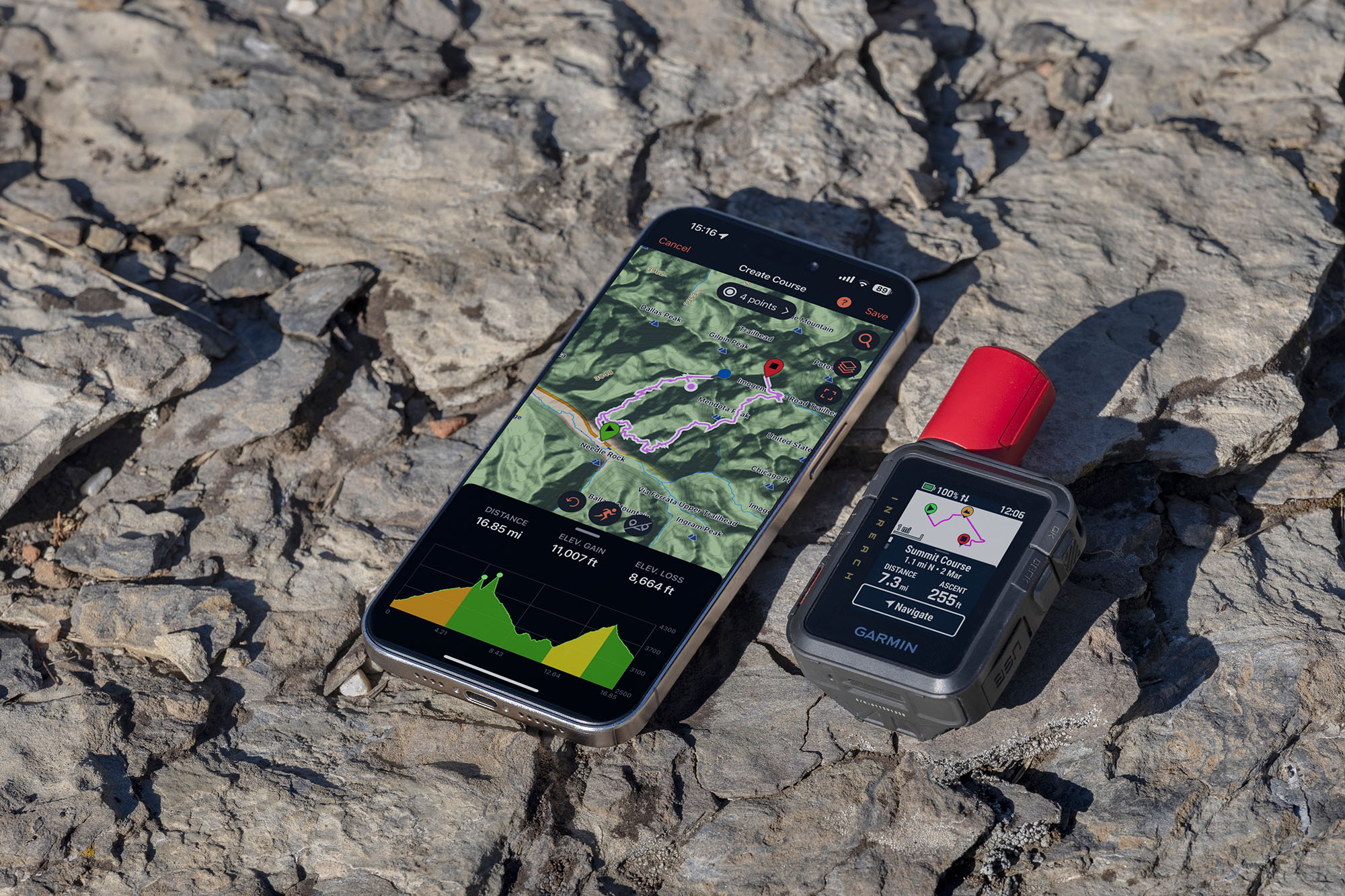
Modern satellite communicators like the Garmin inReach Mini 3 Plus and the ZOLEO Satellite Communicator offer SOS functionality that connects you to a 24/7 global rescue coordination center, two-way text messaging via satellite, GPS tracking that lets family and friends monitor your location, and weather forecasts delivered directly to the device. The subscription costs are modest — typically $15 to $50 per month — and the peace of mind is immeasurable. We have tested every major satellite communicator on the market in real field conditions, and our full review breaks down which device is best for different use cases.
Local SIM Card Strategy
Upon arriving in any new country, one of your first tasks should be acquiring a local SIM card. This gives you a local phone number for emergency services, affordable data for maps, translation, and communication, and the ability to receive calls and texts from local contacts. We recommend carrying a dual-SIM phone or a separate cheap phone as a backup. Store the SIM card from your previous country — if you need to return quickly, having a working number in that country can be invaluable.
VPN and Secure Communications
A VPN is essential for two reasons in emergencies. First, it allows you to access services that may be blocked in your current country — including news sites, social media, and communication platforms. Some countries block WhatsApp, Signal, or other messaging apps that might be your primary way of communicating with family. Second, it secures your communications on public Wi-Fi networks, which you will likely be relying on heavily if your mobile data is unavailable. Download your VPN app and configure it before you travel. Have at least two VPN services available in case one is blocked.
Embassy Contact Information
Before arriving in any country, save the following in your phone and on a physical card: the address and phone number of your country’s embassy or nearest consulate, the after-hours emergency number for your embassy, the local equivalent of 911, and the contact information for your travel insurance provider’s 24/7 assistance line. The US State Department’s Smart Traveler Enrollment Program (STEP) is free and provides safety updates and helps the embassy locate you in an emergency. Register for every country you visit.
Offline Resources
Download before you need them: offline maps of your current city and surrounding region (Google Maps or Maps.me), a translation app with offline language packs (Google Translate supports offline use), copies of your critical documents in an encrypted folder, and emergency medical phrases in the local language.
How Do You Maintain Power and Electronics During a Crisis?
You build a three-tier power system: primary (grid/wall charging), secondary (high-capacity power banks), and tertiary (solar or hand-crank chargers that generate power independently). When the electrical grid fails — and in many nomad destinations, it fails regularly even without a disaster — your ability to keep devices charged directly determines whether you can navigate, communicate, access money, and call for help.
Tier 1: Wall Charging with the Right Adapter
A quality universal power adapter with built-in surge protection is non-negotiable. Power surges are common in countries with unstable grids, and a single surge can destroy your laptop or phone. We have tested adapters that handle 100-240V input across every major outlet type, and our top picks include USB-C PD ports for fast-charging modern devices. Check our universal power adapter review for specific recommendations.
The key features to look for in a travel adapter include surge protection (not all adapters include this — do not assume), USB-C Power Delivery for fast charging, multiple USB-A ports for charging several devices simultaneously, compact form factor that does not block adjacent outlets, and a fuse for safety.
Tier 2: Power Banks
A high-capacity power bank is your buffer between grid failures and true off-grid emergencies. For digital nomads, we recommend carrying at least 20,000mAh of capacity, which translates to roughly four to five full phone charges or one to two tablet charges. If you carry a laptop, consider a power bank with USB-C PD output at 45W or higher for laptop charging capability.
Keep your power bank charged to at least 80% at all times. This is a discipline issue — treat it like keeping your car’s gas tank above a quarter full. When a crisis hits, you will not have warning to charge up. Our power bank review covers the best options for contingency planning specifically, including models that are airline-approved for carry-on luggage.
Tier 3: Grid-Independent Charging
When the grid is down for an extended period, solar panels and hand-crank chargers become your lifeline. Our review of solar and hand-crank chargers tested devices in real-world conditions — overcast skies, partial shade, high humidity. The honest truth is that small portable solar panels are slow. A 21W panel in good sunlight will charge a phone in roughly three to four hours. In overcast conditions, double that estimate or more.
Hand-crank chargers are even slower but work regardless of weather or sunlight. They are true last-resort devices. We recommend carrying both: a foldable solar panel for daily supplemental charging and a hand-crank charger as the absolute backup.
Data Backup Strategy
Power preparedness is not just about keeping devices alive — it is about protecting the data on them. Maintain encrypted cloud backups of all critical documents using a service that works in your destination country. Carry a small, encrypted USB drive with copies of essential documents, insurance information, and emergency contacts. Consider a rugged, waterproof external SSD if your work files are critical to your livelihood. Back up to the cloud every time you have reliable Wi-Fi and power.
How Do You Ensure Safe Drinking Water While Traveling?
You carry a portable water filter or purification system and use it religiously in any country where tap water is not confirmed safe. Waterborne illness is the number-one cause of preventable sickness among travelers in developing countries, and the consequences range from a miserable few days of diarrhea to life-threatening conditions like cholera, typhoid, and hepatitis A.
Our team has tested every major portable water filter on the market in conditions ranging from crystal-clear mountain streams to questionable municipal tap water in Southeast Asia. The results are published in our portable water filter review.
Types of Water Purification for Travelers
Squeeze and straw filters (like the Sawyer Squeeze or LifeStraw) are the most popular option for travelers. They remove bacteria and protozoa using physical filtration — typically through a 0.1-micron hollow fiber membrane. They are lightweight, require no batteries or chemicals, and work instantly. The limitation is that most do not remove viruses, which are a concern in areas with poor sanitation.
UV purifiers (like the SteriPen) kill bacteria, viruses, and protozoa using ultraviolet light. They are fast (60 seconds per liter) and effective against the full spectrum of waterborne pathogens. The downside is that they require batteries or USB charging, they do not remove sediment or chemical contaminants, and they stop working when the power runs out.
Chemical purification (chlorine dioxide tablets or drops) is the lightest and most packable option. Tablets like Aquamira or Katadyn Micropur kill everything including viruses. The trade-off is taste and time — most require 15 to 30 minutes of contact time, and four hours to neutralize certain cysts like Cryptosporidium.
Our recommendation for digital nomads: Carry a squeeze filter for daily use and chemical purification tablets as a backup. This gives you redundancy — if one system fails, you have another. The total weight for both is under 200 grams.
Food Safety Basics
Water is only part of the equation. Follow these food safety principles in developing countries: eat food that is cooked thoroughly and served hot, peel fruits yourself rather than eating pre-peeled fruit, avoid raw vegetables unless you washed them yourself with purified water, be cautious with ice — in many countries, restaurant ice is made from unfiltered tap water, choose busy restaurants with high turnover rather than empty ones (high turnover means fresh food), and wash your hands frequently with soap or hand sanitizer before eating.
Carrying a small bottle of hand sanitizer and a pack of sanitizing wipes costs almost nothing in weight and can prevent the gastrointestinal misery that ruins countless trips.
What Medical Preparedness Do Digital Nomads Need?
You need three layers of medical preparedness: a well-stocked first aid kit for immediate self-treatment, comprehensive travel insurance with evacuation coverage for serious situations, and a proactive prescription management strategy.
First Aid Kits
We covered first aid kit essentials in the emergency kit section above, and our detailed first aid kit review provides specific product recommendations. The key principle is this: your first aid kit should handle the scenarios you are most likely to encounter — cuts, scrapes, blisters, stomach illness, minor allergic reactions, headaches, and fever. For anything beyond that, you need professional medical care, which brings us to insurance.
Travel Insurance: The Most Important Purchase You Will Make
We are not being dramatic. Travel insurance with medical evacuation coverage is the single most important financial decision a digital nomad can make regarding their safety.
Here is the reality: a medical evacuation by air ambulance from Southeast Asia to the United States costs between $100,000 and $250,000. A hospital stay in a foreign country without insurance can cost tens of thousands of dollars, with payment required upfront before treatment begins. Travel insurance policies designed for nomads — like SafetyWing, World Nomads, or Genki — cost between $40 and $200 per month depending on coverage level and your age. That is a fraction of what a single emergency could cost without coverage.
Our travel insurance comparison guide evaluates policies specifically for long-term travelers and remote workers, focusing on medical coverage limits (look for at least $100,000 minimum), emergency evacuation and repatriation coverage, coverage for adventure activities and sports, mental health coverage (increasingly important and increasingly available), trip interruption and cancellation coverage, electronics and gear coverage, and pre-existing condition policies.
Prescription Management
Managing prescriptions as a nomad requires planning. Carry a written prescription from your doctor (not just the pill bottle) — ideally with the generic drug name, since brand names vary by country. Research whether your medications are legal in your destination country. Some common medications, including certain ADHD medications, codeine-containing painkillers, and even some over-the-counter sleep aids, are controlled or banned in certain countries.
Bring enough medication to last your entire planned stay plus a two-week buffer. Carry medications in their original, labeled containers. Keep a copy of your prescription in your cloud document backup. Research pharmacies at your destination — in many countries, medications that require a prescription in the US are available over the counter, which can be helpful for refills.
Evacuation Insurance
Standard travel insurance often includes some evacuation coverage, but dedicated evacuation memberships like Global Rescue or Ripcord provide a higher level of service specifically focused on getting you out of dangerous situations — whether medical or security-related. For nomads traveling to higher-risk regions, the additional cost is worth the enhanced response capability.
How Do You Stay Safe and Secure as a Solo Nomad?
Through a combination of awareness, preparation, and simple tools that increase your security without adding significant weight or complexity to your travel setup.
Personal Safety Alarms
A personal safety alarm is a small, inexpensive device that emits an extremely loud (120-140 decibel) siren when activated. The purpose is not to fight an attacker — it is to attract attention and create a psychological deterrent. These devices weigh almost nothing, cost under $20, and can be attached to a keychain or bag. Our review of personal safety alarms tested the loudest, most reliable options on the market.
Document Security
Losing your passport in a foreign country is one of the most stressful experiences a traveler can face. Protect yourself with multiple layers. Keep your original passport in a hotel safe or secure location when not needed. Carry a color photocopy of your passport’s data page as your daily ID. Store encrypted digital copies of your passport, visa, insurance cards, driver’s license, and credit cards in cloud storage. Use a money belt or hidden neck pouch when carrying originals and significant cash. Consider a secondary form of government-issued ID (like a driver’s license) kept separate from your passport.
Accommodation Security
Not every accommodation has adequate security. A portable door lock or door stop alarm adds a physical layer of security to any room with a door. These devices weigh under 100 grams and can prevent unwanted entry even if the existing lock is compromised. Always check fire escape routes when checking into a new accommodation. Note where the nearest exit is, whether windows open, and whether there are fire extinguishers or smoke detectors present.
Digital Security
For digital nomads, device security is financial security. Use strong, unique passwords for all accounts with a password manager. Enable two-factor authentication on all critical accounts (email, banking, cloud storage). Use a VPN on all public Wi-Fi networks. Consider a privacy screen for your laptop when working in public. Enable remote wipe capability on all devices. Keep your operating systems and apps updated.
Embassy Registration
Register with your embassy’s citizen services program in every country you visit. For US citizens, this is the Smart Traveler Enrollment Program (STEP). For other nationalities, check your foreign affairs ministry’s website. Registration is free, takes five minutes, and means that in a crisis — natural disaster, political upheaval, terrorist attack — your government knows you are in-country and can include you in evacuation efforts and emergency communications.
How Do You Build an Evacuation Plan as a Digital Nomad?
You build it before you need it, you write it down, you share it with someone at home, and you review it every time you move to a new location. An evacuation plan is not paranoia — it is the same common-sense planning that every military unit, embassy, and corporate travel program requires. Our dedicated evacuation planning guide provides a step-by-step framework. Here, we will cover the essential elements.
The Five Components of a Nomad Evacuation Plan
1. Know your exits. For every city or region you stay in, identify the nearest international airport with flights to a safe destination. Identify alternative airports or border crossings in case the primary one is inaccessible. Know the road routes to reach them. Save these routes as offline maps.
2. Know your embassy. The address, phone number, and operating hours of your nearest embassy or consulate should be memorized, saved in your phone, and written on a physical card in your wallet. Know the after-hours emergency number.
3. Maintain a go-bag. Your go-bag is a small daypack that you can grab in under two minutes. It should contain your passport and travel documents, cash in both local currency and USD or EUR, your phone and satellite communicator with charging cables, a power bank, your first aid kit, a water filter or purification tablets, one change of clothes, and any critical medications. This bag should be packed and accessible at all times.
4. Establish a communication plan. Designate one person at home as your emergency contact. Establish a regular check-in schedule — for example, a brief message every 24 hours. Agree on a code word or phrase that means “I am in danger and need help.” Share your evacuation plan, insurance information, and location tracking access with this person.
5. Set evacuation triggers. Decide in advance what events would trigger you to leave. Examples include government travel advisories escalating to “Do Not Travel,” natural disasters approaching your area, civil unrest in your city, a personal medical emergency beyond local treatment capability, or your embassy issuing an evacuation order. The key is to decide these triggers before the crisis, when you can think clearly. During a crisis, denial and normalcy bias will tell you everything is fine. Having pre-set triggers removes emotion from the decision.
Financial Preparedness for Evacuation
An evacuation can be expensive and fast-moving. Maintain an emergency cash reserve of at least $500 in USD or EUR — these currencies are accepted almost universally in a crisis. Keep multiple payment methods (two credit cards from different banks, plus a debit card) stored in different locations. Know your daily ATM withdrawal limit and your credit card’s foreign transaction policies. Notify your banks that you are traveling to avoid fraud-triggered account freezes at the worst possible time.
What Country-Specific Risks Should Digital Nomads Prepare For?
Every region has a distinct risk profile shaped by its geography, climate, political stability, healthcare infrastructure, and public health environment. Effective preparedness means tailoring your plan and your kit to the specific risks of your destination.
Southeast Asia (Thailand, Vietnam, Indonesia, Philippines)
Southeast Asia is the most popular region for digital nomads, and for good reason — it is affordable, beautiful, and welcoming. But the risks are real. Typhoons and tropical storms are seasonal threats across the Philippines, Vietnam, and parts of Thailand. Indonesia sits on the Ring of Fire, with active volcanoes and earthquake risk. Flooding is common during monsoon season. Dengue fever, transmitted by mosquitoes, is endemic throughout the region. Healthcare quality varies dramatically between major cities and rural areas. Motorbike accidents are the leading cause of injury and death among foreign travelers in the region.
Preparedness priorities: Comprehensive travel insurance with evacuation coverage, a quality first aid kit, insect repellent with DEET, a water filter, and awareness of seasonal weather patterns.
Latin America (Mexico, Colombia, Costa Rica, Brazil)
Latin America offers vibrant culture and growing nomad communities but presents its own set of challenges. Petty crime (pickpocketing, bag snatching) is more common than in Asia. Some areas have serious security concerns related to organized crime. Altitude sickness is a risk in cities like Bogota, Quito, and Mexico City. Earthquakes are common in Mexico and along the Pacific coast. Healthcare quality is generally good in major cities but limited in rural areas. Zika virus and other mosquito-borne illnesses are present in tropical lowland areas.
Preparedness priorities: Personal safety awareness and a personal safety alarm, document security (carry copies, not originals), altitude sickness medication if traveling to high-altitude cities, and awareness of neighborhood safety before choosing accommodation.
Europe (Portugal, Spain, Georgia, Croatia, Balkans)
Europe is generally the lowest-risk region for nomads, but complacency is itself a risk. Petty crime, particularly in tourist areas of major cities, is common. Some Eastern European countries have less developed emergency response infrastructure. Winter weather can be severe and disruptive. Political protests and strikes can paralyze transportation. Healthcare is generally excellent but can be expensive without proper insurance — even in countries with public healthcare systems, visitors are often not covered.
Preparedness priorities: A European Health Insurance Card (EHIC) if eligible, comprehensive travel insurance regardless, awareness of protest activity, and preparation for winter weather if traveling in northern or eastern regions.
Africa (South Africa, Morocco, Kenya, Rwanda)
Africa’s emerging nomad destinations offer incredible experiences but require the highest level of preparedness. Malaria is a serious risk in many sub-Saharan countries. Healthcare infrastructure ranges from adequate in major South African cities to severely limited in rural areas. Political instability is a factor in some regions. Road safety standards may be significantly different from what you are accustomed to. Power outages (load-shedding) are common in South Africa and other countries.
Preparedness priorities: Malaria prophylaxis (consult a travel medicine doctor before departure), comprehensive evacuation insurance, a robust power backup system including solar chargers, a water filter, and a satellite communicator for remote areas.
Comparison Table: Essential Gear for Different Nomad Profiles
Not every nomad needs the same kit. Your gear choices should reflect your budget, travel style, and risk tolerance. The table below compares gear recommendations across three common nomad profiles.
| Category | Budget Urban Nomad ($200-400 total kit) |
Mid-Range Adventure Nomad ($500-900 total kit) |
Premium Remote/Family Nomad ($1,000-1,800 total kit) |
|---|---|---|---|
| Satellite Communicator | Zoleo (lower subscription cost, basic messaging) | Garmin inReach Mini 3 Plus (compact, voice + photo messaging, global SOS) | Garmin inReach Mini 3 Plus + Garmin inReach Messenger Plus (redundancy for family coordination) |
| Power Bank | Anker 325 (20,000mAh, USB-A/C, budget-friendly) | Anker 737 (24,000mAh, 140W USB-C PD, laptop charging) | Anker 737 + Goal Zero Sherpa 100 (dedicated laptop bank + phone bank) |
| Solar/Crank Charger | Emergency hand-crank radio with USB charging | BigBlue 28W foldable solar panel | Goal Zero Nomad 20 panel + Venture 35 battery + hand-crank backup |
| Water Purification | LifeStraw Go bottle (filter built into water bottle) | Sawyer Squeeze + backup chlorine dioxide tablets | Sawyer Squeeze + SteriPen UV purifier + tablets (triple redundancy) |
| First Aid | Adventure Medical Kits Ultralight .7 (compact basics) | MyFAK First Aid Kit (comprehensive, organized) | MyFAK + supplemental bleed kit + medications pouch + SAM splint |
| Personal Safety | She’s Birdie personal alarm + door stop alarm | Personal alarm + portable door lock + hidden money belt | Personal alarm + portable door lock + hidden money belt + Tile/AirTag trackers on bags + faraday bag for electronics |
| Travel Insurance | SafetyWing Nomad Insurance (affordable, basic coverage, ~$45/month) | World Nomads Standard (broader activity coverage, ~$100-150/month) | Genki World Explorer + Global Rescue evacuation membership (~$200-300/month) |
| Power Adapter | Basic universal adapter with USB ports | Epicka Universal Adapter with USB-C PD + surge protection | Epicka adapter + small power strip with surge protection (for multiple devices and family charging) |
| Best For | Nomads staying in major cities with good infrastructure (Lisbon, Bangkok, CDMX) | Nomads mixing urban and rural travel, occasional adventure activities | Nomads in remote areas, families traveling with children, or those in higher-risk regions |
For detailed reviews of every product category listed above, explore our digital nomad preparedness hub where we link to individual gear guides with full testing results and rankings.
Comparison Table: Regional Risk Assessment for Digital Nomads
Use this table to quickly assess the primary risks and preparedness priorities for the most popular digital nomad regions. Risk levels are rated Low, Moderate, High, or Very High based on our team’s direct experience and current data from the WHO, US State Department, and local emergency management agencies.
| Risk Category | Southeast Asia (Thailand, Bali, Vietnam, Philippines) |
Latin America (Mexico, Colombia, Costa Rica, Brazil) |
Europe (Portugal, Spain, Balkans, Georgia) |
Africa (South Africa, Kenya, Morocco, Rwanda) |
|---|---|---|---|---|
| Natural Disaster Risk | High — Typhoons, earthquakes, volcanic eruptions, tsunamis, monsoon flooding | Moderate — Earthquakes (Mexico, Pacific coast), hurricanes (Caribbean coast), flooding | Low — Occasional flooding, winter storms, wildfires in Mediterranean areas | Moderate — Flooding, drought, occasional volcanic activity in East Africa |
| Healthcare Quality | Variable — Excellent in Bangkok, Singapore; limited in rural/island areas | Variable — Good in major cities (CDMX, Bogota, Sao Paulo); limited in rural areas | Good to Excellent — Strong healthcare systems throughout Western/Central Europe; varies in Eastern regions | Limited to Variable — Adequate in Johannesburg, Nairobi, Casablanca; very limited in rural areas |
| Personal Safety / Crime Risk | Low to Moderate — Petty theft common; violent crime against foreigners rare; scams prevalent | Moderate to High — Petty crime common; robbery risk in certain areas; varies greatly by neighborhood | Low — Pickpocketing in tourist areas; generally very safe; some exceptions in less-stable regions | Moderate to High — Varies greatly by country and city; armed robbery risk in some areas; carjacking in South Africa |
| Infrastructure Reliability | Moderate — Power outages in rural areas; good internet in cities and co-working spaces | Moderate — Internet quality improving rapidly; power generally reliable in cities | Good to Excellent — Reliable power and internet throughout; some exceptions in rural Balkans/Georgia | Low to Moderate — Load-shedding in South Africa; variable internet; power outages common in rural areas |
| Waterborne Illness Risk | High — Do not drink tap water in most countries; ice can be unsafe | Moderate to High — Tap water unsafe in most areas; bottled water widely available | Low — Tap water safe in most Western European countries; check locally in Eastern Europe | High — Do not drink tap water; water filter essential in rural areas |
| Vector-Borne Disease Risk | High — Dengue endemic; malaria in some rural areas; Japanese encephalitis risk | Moderate — Dengue in tropical lowlands; Zika risk; malaria in some Amazon regions | Low — Tick-borne diseases in some forested areas; minimal mosquito-borne disease risk | Very High — Malaria widespread in sub-Saharan countries; yellow fever; other tropical diseases |
| Political Stability | Variable — Generally stable for travelers; Myanmar is an exception; occasional protests in Thailand | Variable — Most nomad destinations relatively stable; monitor local news; protests can arise quickly | Generally Stable — Occasional protests and strikes; democratic institutions generally strong | Variable — Ranges from stable (Morocco, Rwanda) to volatile; research thoroughly before each destination |
| Top Preparedness Priority | Medical evacuation insurance + water filter + mosquito protection | Personal safety awareness + travel insurance + document security | Travel insurance (even in “safe” countries) + weather preparedness | Malaria prophylaxis + evacuation insurance + power backup + satellite communicator |
Frequently Asked Questions
How much does a complete digital nomad emergency kit cost?
A basic kit covering all essential categories — first aid, communication, power, water, and personal safety — starts at approximately $200-400 for budget-conscious nomads sticking to major cities. A mid-range kit suitable for adventure travelers and those visiting developing countries runs $500-900. A premium setup with maximum redundancy and the best-in-class gear for each category costs $1,000-1,800. Add $40-300 per month for travel insurance depending on coverage level. The total investment is a fraction of what a single uninsured emergency could cost. See our complete emergency kit guide for specific product recommendations at every price point.
Is travel insurance really necessary if I am healthy and young?
Yes. Absolutely. Without qualification. Your health and age do not protect you from motorbike accidents, natural disasters, political evacuations, food poisoning requiring hospitalization, or any of the dozens of scenarios that can result in massive unexpected medical bills. Medical evacuation alone can cost $100,000-$250,000 without insurance. A broken leg requiring surgery in a foreign hospital can cost $10,000-$50,000 with payment demanded upfront. Travel insurance typically costs $40-200 per month — less than many nomads spend on co-working space. It is the most important line item in your nomad budget.
Do I really need a satellite communicator if I am staying in cities?
If you never leave major urban areas with reliable cell coverage, a satellite communicator is less critical — but still valuable. Cell networks can become overloaded during disasters even in major cities (this happened during the 2011 earthquake in Japan and during hurricanes in the US). If you ever travel to rural areas, islands, mountains, or any location where cell coverage is spotty, a satellite communicator becomes essential. For the cost of a few restaurant meals per month in subscription fees, it provides genuine peace of mind and a true lifeline when nothing else works.
What is the single most important item in a digital nomad emergency kit?
Your phone — kept charged and loaded with the right apps and information. Your phone is your map, your translator, your communication device, your banking tool, your document backup access point, and your connection to emergency services. Everything else in your kit supports your phone’s functionality: power banks keep it charged, a satellite communicator extends its reach, offline downloads ensure it works without internet. This is why power preparedness — power banks, adapters, and solar chargers — is such a critical category.
How do I handle prescription medications across multiple countries?
Start by getting a letter from your prescribing doctor that includes your diagnosis, the generic name of each medication, the dosage, and a statement of medical necessity. Research the legal status of your medications in each destination country — some common medications (particularly stimulants, strong painkillers, and certain anxiety medications) are controlled or outright banned in some countries. Carry medications in their original labeled containers. Bring enough supply plus a two-week buffer. Store a copy of your prescriptions in encrypted cloud storage. Research local pharmacy options at your destination, as many medications available only by prescription in the US or Europe are sold over the counter in other countries.
Should I register with my embassy in every country I visit?
Yes, without exception. Embassy registration (STEP for US citizens) is free, takes five minutes, and provides tangible benefits: you receive safety alerts about your location, the embassy can contact you during emergencies, and you will be included in evacuation planning if a crisis occurs. There is zero downside to registering. Make it part of your arrival checklist for every new country, right alongside getting a local SIM card and downloading offline maps. Our evacuation planning guide covers embassy registration as a foundational step.
What is the best way to back up important documents while traveling?
Use a three-layer backup strategy. Layer one: physical photocopies of your passport data page, visa, insurance card, and emergency contacts — kept separate from the originals. Layer two: encrypted digital copies stored in cloud storage (Google Drive, iCloud, Dropbox) that you can access from any device. Layer three: an encrypted USB drive carried in your go-bag with the same documents, in case you have no internet access. Update all three layers whenever documents change. Use a password manager to store login credentials, and ensure at least one trusted person at home also has access to your cloud backup in case of emergency.
How often should I update my evacuation plan?
Review and update your evacuation plan every time you move to a new city or country. Even within the same country, your nearest embassy, exit routes, and local emergency numbers may change when you relocate. Additionally, review your plan quarterly to update insurance information, refresh emergency contact details, and reassess the geopolitical situation in your region. Set a calendar reminder. Treat it like a routine maintenance task — because that is exactly what it is. When a crisis hits, the plan you reviewed last month is far more useful than the one you wrote six months ago and forgot about.
2026 Gear Testing Report
For comprehensive comparison data, testing methodology, and cross-category analysis across 80+ contingency planning products, see our 2026 contingency planning Gear Testing Report — including side-by-side scoring tables, real-world performance data, and our data-driven essential kit build ($621 total).
Final Thoughts: Preparedness Is a Practice, Not a Purchase
We have covered a lot of ground in this guide — gear, plans, insurance, regional risks, and more. But we want to leave you with the most important lesson we learned in the military: preparedness is not a thing you buy. It is a thing you do.
You can own the best satellite communicator, the most comprehensive first aid kit, and the most expensive travel insurance policy on the market. But if you have never tested your satellite communicator, never opened your first aid kit to learn what is inside, and never read the fine print of your insurance policy, you are not prepared — you are just equipped.
True preparedness means practicing with your gear before you need it. It means reviewing your evacuation plan regularly. It means staying informed about the risks in your current location. It means maintaining the discipline to keep your power bank charged, your documents backed up, and your emergency contacts updated.
The digital nomad lifestyle is one of the most rewarding ways to live and work. We are not here to scare you out of it — we are here to help you do it safely. Every piece of gear we recommend in this guide and across our digital nomad preparedness hub has been field-tested by our team of veterans who have operated in challenging environments around the world. We test it so you can trust it. Check out our How We Test page to see our evaluation methodology.
Stay prepared. Stay safe. And enjoy the journey.
— The ISOPREP Team
Get the 72-Hour Emergency Kit Checklist
Free PDF download. No spam. Unsubscribe anytime.