Loadout
Digital Nomad Travel Kit: What to Pack for Any Country (2026)
January 5, 2026
In January 2026, bushfires tore through outer Melbourne, Australia, destroying over 300 properties and triggering mass evacuations. Amid the chaos, a digital nomad working from a co-living space was out the door in under 3 minutes — laptop, passport, emergency kit, and go-bag in hand. While others scrambled for essentials, she was already at the evacuation point. Her secret? A pre-packed emergency kit costing $250, built once and carried to every country. If you work from your laptop and move between countries, your emergency kit isn’t optional — it’s infrastructure.
ISOPREP is reader-supported. When you buy through links on our site, we may earn an affiliate commission at no extra cost to you. Learn more
Quick Reference: Digital Nomad Emergency Kit Budget Tiers
| Category | $100 Essentials | $250 Standard | $500 Premium |
|---|---|---|---|
| Documents & Digital | Passport copy, USB with scans | Encrypted USB, cloud backup | Encrypted USB, cloud backup, waterproof doc pouch |
| Medical & First Aid | Basic first aid kit, meds | Travel first aid kit, 30-day meds, insurance card | Comprehensive kit, 60-day meds, emergency dental kit |
| Power & Comms | Small power bank, charger | 10,000mAh power bank, universal adapter | 20,000mAh bank, adapter, satellite communicator |
| Cash & Financial | $100 USD cash | $200 USD cash, backup card, money belt | $300 USD cash, 2 backup cards, RFID money belt |
| Clothing & Shelter | Packable rain jacket | Rain jacket, emergency blanket | Rain jacket, blanket, quick-dry outfit |
| Tools & Misc | Headlamp, water purification tabs | Headlamp, multi-tool, water tabs | Headlamp, premium multi-tool, water tabs, zip ties |
Essential Gear Categories
Documents & Digital Security
Your passport and digital assets are your lifeline abroad. Lose them, and you’re stuck in a foreign country with no identity and no access to your work. Keep a physical photocopy of your passport stored separately from the original. Store scans on an encrypted USB drive — not just your laptop. Subscribe to a cloud backup service with 2FA enabled (Google Drive, Dropbox, or iCloud). At the premium level, a waterproof document pouch protects against floods, spills, and tropical humidity. Email copies of critical documents to a trusted contact back home as a final failsafe.
Medical & First Aid
A compact travel first aid kit is non-negotiable — bandages, antiseptic wipes, painkillers, anti-diarrheal medication, and blister treatment cover the majority of issues you’ll face abroad. Carry at least 30 days of any prescription medications, plus a copy of your prescription. Keep a digital or physical copy of your travel insurance card; without it, hospitals in many countries will delay treatment or demand cash upfront. At the premium tier, add a 60-day medication supply and a basic emergency dental kit for destinations where dental care is unreliable.
Power & Communications
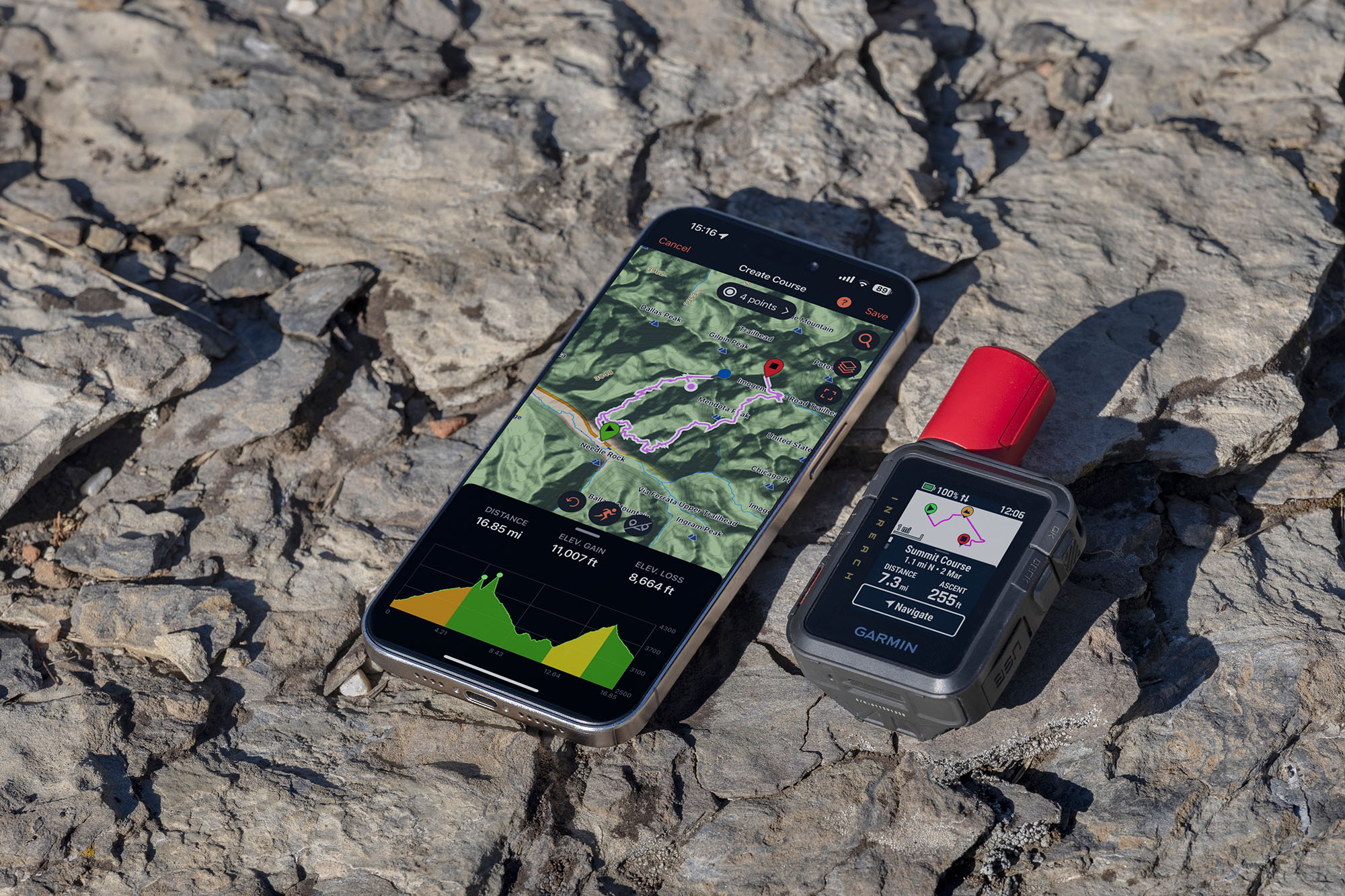
Your work depends on staying powered and connected. A 5,000mAh power bank and phone charger are the bare minimum. At standard, upgrade to a 10,000mAh bank and a universal power adapter — one that handles 110v/220v without a separate converter. Premium kits include a 20,000mAh power bank and a satellite communicator like the Garmin inReach Mini 3 Plus for off-grid emergencies. Test all your gear before departure. A dead power bank during a blackout in rural Southeast Asia is worse than useless.
Cash & Financial
ATMs fail, cards get declined, and digital wallets don’t work everywhere. Carry USD cash — $100 minimum, $300 at premium — in small denominations. US dollars are accepted as emergency currency in most countries. Stash a backup credit card separate from your main wallet, and use a money belt for discretion in crowded markets and transit hubs. At premium, an RFID-blocking belt adds protection against electronic pickpocketing. Split your cash across multiple locations on your person and in your bags — if you’re robbed, you won’t lose everything.
Clothing & Shelter
Weather turns fast, and you’re not hauling a full wardrobe. A packable rain jacket handles sudden downpours in any climate. Add an emergency Mylar blanket at the standard tier — it weighs nothing and provides warmth during unexpected layovers, evacuations, or cold nights when heating fails. Premium kits include a quick-dry outfit (shirt, pants, underwear) for when you’re separated from your main luggage. Prioritize lightweight, compact gear. Avoid anything bulky that screams “tourist.”
Tools & Miscellaneous
Small tools solve big problems. A headlamp (all tiers) is critical for power outages, late-night evacuations, or navigating unlit streets. Water purification tablets ensure safe drinking water when bottled water isn’t available — common in developing countries after natural disasters. At standard, a compact multi-tool handles quick fixes. Premium adds zip ties for securing gear or improvised repairs. Keep everything TSA-friendly: no full-size knives, no questionable liquids over 3.4 oz.
Do NOT Do This: Common Mistakes Digital Nomads Make
- Overpacking “just in case” gear: That 5-pound contingency kit looks impressive but kills your carry-on space and draws unnecessary attention. Stick to essentials — you’re a professional, not a contingency-minded traveler.
- Ignoring digital backups: If your laptop dies or gets stolen with no cloud backup, you lose client work, contracts, and potentially your income. Set up automated backups before you leave.
- Carrying all valuables in one place: Passport, cash, cards, and electronics in one bag is a single point of failure. Split them across your person, daypack, and main bag.
- Skipping local research: Not checking health risks, visa requirements, or emergency numbers before landing can put you in a hospital or detention. Spend 10 minutes on the CDC and State Department sites for every destination.
- Buying cheap, unreliable gear: A $5 power bank fails when you need it most. A dollar-store first aid kit contains supplies that expired before they left the factory. Invest in quality for critical items.
Country-Specific Add-Ons
Your base kit works globally, but regional risks demand adjustments:
- Southeast Asia (Thailand, Vietnam, Bali): DEET-based mosquito repellent and anti-malarial medication for rural areas. A lightweight water filter for unreliable tap water. Electrolyte packets for heat and humidity.
- Latin America (Mexico, Colombia, Peru): Altitude medication (Diamox) if heading to the Andes. Personal safety alarm for urban areas. Anti-theft daypack with lockable zippers.
- Europe (Portugal, Germany, Eastern Europe): RFID-blocking wallet or neck pouch for pickpocket-heavy tourist areas. Compact umbrella. European health insurance card (EHIC) if eligible.
- Africa (Kenya, South Africa, Morocco): Yellow fever vaccination proof (required for entry in some countries). Solar charger for unreliable power grids. More aggressive water purification (filter + tablets).
Frequently Asked Questions
How much should I spend on an emergency kit?
Start with $100 for essentials if you’re on a tight budget. $250 covers the standard kit that handles most scenarios. $500 is for long-term nomads or anyone regularly traveling to high-risk regions. The Melbourne nomad who evacuated in 3 minutes spent $250 — and it was enough.
Will this kit fit in my carry-on?
Yes. All three tiers are designed for carry-on compliance. Use a small organizer pouch (roughly 10×6 inches) to keep everything compact and TSA-friendly. The premium tier satellite communicator is the bulkiest item, and it’s smaller than a smartphone.
How often should I update my kit?
Check medications and gear every 3 months for expiration or wear. Update documents and digital backups with every visa change or address change. Replace any item you use immediately — don’t wait until your next trip.
Do I need travel insurance?
Yes. Medical evacuation alone can cost $50,000-$100,000 without insurance. SafetyWing and World Nomads are popular among digital nomads for their flexibility and coverage of remote work scenarios. Keep your policy details accessible offline.
What if I’m in a country with strict customs rules?
Research restricted items before arrival. Pepper spray, certain medications, and satellite communication devices are restricted or banned in some countries. Declare anything questionable at customs to avoid fines or confiscation. The State Department’s country pages list known restrictions.
Sources
- CDC Travel Health — Destination-specific health recommendations
- WHO Travel Health — International health and travel guidelines
- U.S. State Department — Travel advisories and country-specific information
ISOPREP.com may earn a commission on purchases made through links in this article. This does not affect our editorial independence or product ratings.
Stay safe out there.
— ISOPREP Team
LUCK: Preparation meets Opportunity.
Get the 72-Hour Emergency Kit Checklist
Free PDF download. No spam. Unsubscribe anytime.